Quick answer
Flying to Beijing is safe from an aviation standpoint—both Beijing Capital International Airport and Beijing Daxing International Airport meet ICAO safety standards, and major carriers maintain consistent safety records on routes to China. The primary considerations for international visitors are visa requirements, health declaration protocols upon arrival, and understanding local transport systems once you land. Most travelers entering for tourism purposes require a visa obtained in advance, though 144-hour transit exemptions exist for eligible nationalities visiting specific regions.
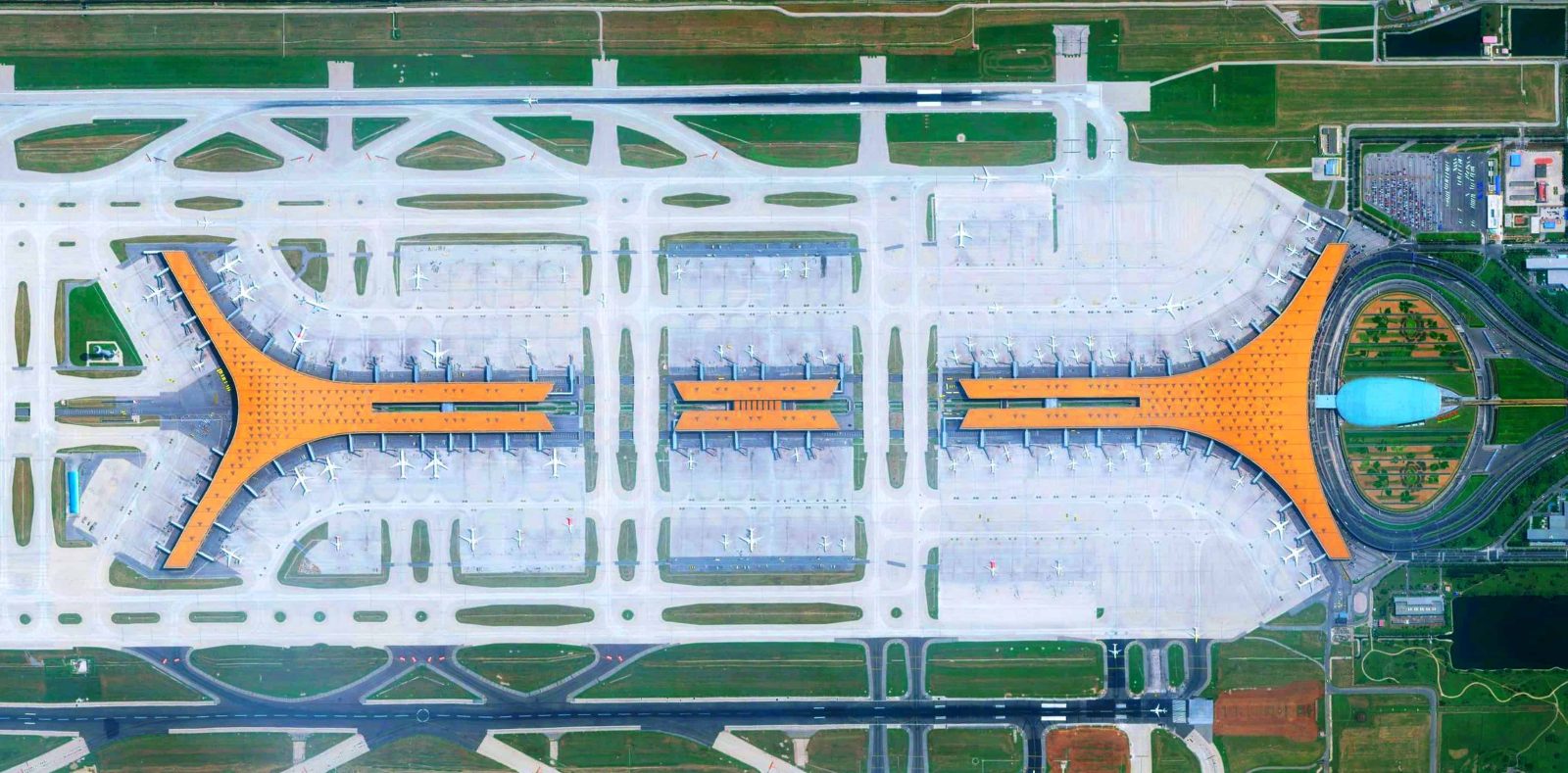
Beijing Capital International Airport handled its first transatlantic flight in 1973, and today operates as one of the world's busiest hubs, processing more than 100 million passengers in peak years. Aviation safety in China follows ICAO annexes and maintains incident rates comparable to Europe and North America. When assessing whether is it safe to fly to Beijing, the answer hinges less on flight operations and more on what happens after you disembark. Entry protocols for international arrivals include health declarations submitted via the China Customs app within 24 hours before landing, and immigration processing that can extend to 45 minutes during peak hours. Visa-on-arrival does not exist for most nationalities—standard tourist visas require advance application through Chinese consulates, typically processing within five business days. The 144-hour visa-free transit policy covers Beijing, Tianjin, and Hebei Province, but only applies to travelers holding onward tickets to a third country and arriving from qualifying departure points. Americans, Canadians, and EU passport holders fall under this exemption when conditions align, though the policy excludes certain nationalities and requires careful documentation. Ground transport from either airport to central Beijing or outlying sites like Mutianyu runs on fixed schedules and posted routes. The Airport Express train connects Terminal 3 of Capital Airport to Dongzhimen Station in 20 minutes, operating from 06:00 to 23:00 daily. Reaching Mutianyu from the city center involves a 90-minute drive via the Jingcheng Expressway, typically arranged through licensed tour operators or ride-hailing platforms that accept international cards. Independent travelers should confirm their driver's credentials and agree on fares before departure—metered taxis from Beijing to Huairou District run approximately 300-400 CNY, though rates fluctuate with traffic conditions. Health and safety on the ground in Beijing follow standard urban precautions. Air quality varies seasonally, with autumn and winter months occasionally reaching unhealthy AQI levels; travelers with respiratory conditions should monitor the US Embassy's air quality index and carry prescribed medications. Tap water is not potable—bottled water is universally available. Mobile connectivity requires either a local SIM card purchased at airport kiosks or international roaming plans activated before departure, as VPN access for Western apps often requires setup outside China's firewall. Currency exchange at airport counters offers lower rates than city banks; ATMs accepting foreign cards are widespread but may impose withdrawal limits. Beijing is it safe to fly to remains a logistical question more than a safety question—preparation handles most friction points.
“Aviation safety to Beijing aligns with global standards, while entry logistics and ground transport require advance planning that most first-time visitors underestimate.”
Is It Safe To Fly To Beijing: Timing Your Mutianyu Visit For Safety
To prioritize visitor safety and manage crowd density, the best arrival window is 07:30–09:00. Arriving early minimizes the physical strain of long queues and provides a more stable environment for exploring the wall's uneven terrain.
Spring (April–May)
Moderate; avoid holidaysMild, 10°C to 20°C. Lower risk of heat exhaustion.
Spring offers comfortable temperatures and clearer visibility for safer footing.
Autumn (September–October)
Moderate; avoid holidaysCool, 10°C to 22°C. Stable, dry conditions.
Dry weather and clear skies reduce the risk of slips on steep stone steps.
Weekday mornings
Low crowd density—
Early arrival helps avoid peak afternoon crowds and cable car wait times.
Winter (December–February)
Very low crowd densityCold, -5°C to 5°C. Risk of ice.
Icy conditions require caution; prioritize mid-day visits when sunlight melts frost.
Verdict: For the safest experience, visit on a weekday morning during April or October, ensuring you arrive during the 07:30–09:00 arrival window.
Is It Safe To Fly To Beijing: Daily Mutianyu Great Wall Opening Hours
The Mutianyu Great Wall maintains a consistent weekly schedule, with extended operating hours during the weekend to accommodate visitors. Planning your arrival within these daily timeframes ensures access to the site.
| Monday | 07:30–18:00 | |
|---|---|---|
| Tuesday | 07:30–18:00 | |
| Wednesday | 07:30–18:00 | |
| Thursday | 07:30–18:00 | |
| Friday | 07:30–18:00 | |
| Saturday | 07:30–18:30 | |
| Sunday | 07:30–18:30 |
Is It Safe To Fly To Beijing: Secure Transport And Access Routes
The Mutianyu Great Wall is located in Mutianyu Village, Bohai Town, Huairou District, Beijing. The most reliable approach for visitors is via private car or registered taxi, which provides direct access to the site's main visitor area.
Direct route via Jingcheng Expressway
Bus 916 Express from Dongzhimen to Huairou Beidajie
Jingcheng Expressway to Mutianyu Exit
Is It Safe To Fly To Beijing: Pre-Visit Safety And Preparation Checklist
Prepare these essentials before your visit to ensure a safe and smooth experience at Mutianyu.
-
Bring valid photo ID or passport — Required for entrance ticket purchase and verification at the gate.
-
Wear sturdy walking shoes with good grip — The wall features steep steps and uneven stone surfaces that can be slippery.
-
Pack water and light snacks — Limited vendors on certain wall sections, and physical exertion increases hydration needs.
-
Check current weather and air quality — Visibility and respiratory comfort directly affect your visit; postpone if AQI exceeds 150.
-
Assess your fitness level honestly — The climb involves significant elevation gain and may not suit visitors with heart or knee conditions.
-
Carry a basic first-aid kit — Minor scrapes from stone edges or fatigue-related issues are common on longer walks.
-
Confirm cable car or toboggan operating status — Transport options may close due to weather; have a backup plan for descent.
Check availability
Frequently Asked Questions: Safety and Travel to Beijing
Everything you need to know about is it safe to fly to beijing